If you are a distributor, retailer, or brand owner looking to source hearing protection or other PPE products from China, you have likely encountered two common manufacturing models: OEM and ODM. While these terms are often used interchangeably, they represent fundamentally different approaches to product sourcing. Understanding the distinction is essential for making the right decision for your business.
What Is OEM (Original Equipment Manufacturer)?
In the OEM model, you — the buyer — provide the product design, specifications, and often the molds or tooling. The manufacturer produces the product exactly according to your requirements. The end product is exclusively yours, and the manufacturer cannot sell the same design to other customers.
OEM is the right choice when you have a unique product design that differentiates your brand in the market, when you own proprietary technology or patents, when you need products that cannot be found from existing catalogs, or when you are willing to invest in tooling and longer development timelines.
The typical OEM process for hearing protection products looks like this:
- Design submission: You provide 2D/3D drawings, material specifications, and performance requirements (NRR/SNR targets).
- Feasibility review: The manufacturer evaluates whether the design can be produced with existing equipment and materials.
- Tooling and molds: Custom molds are created (costs range from $2,000 to $20,000+ depending on complexity).
- Prototyping: Initial samples are produced for your review and testing.
- Testing and certification: Products are sent to accredited labs for CE/ANSI testing.
- Mass production: Once approved, production begins at the agreed volume.
OEM timelines are longer — typically 60 to 120 days from design approval to first shipment. However, the resulting product is uniquely yours and cannot be easily copied by competitors sourcing from the same factory.
What Is ODM (Original Design Manufacturer)?
In the ODM model, the manufacturer has already designed and developed the product. You select from their existing product catalog and can customize certain elements such as branding, packaging, colors, and sometimes materials. The core product design belongs to the manufacturer.
ODM is the right choice when you want to enter the market quickly without R&D investment, when you need proven products with existing certifications, when your budget does not allow for custom tooling costs, or when you are testing a new market and want to minimize risk.
The typical ODM process is much faster:
- Product selection: You choose products from the manufacturer's catalog.
- Customization: You specify your brand name, logo, packaging design, and any color/material modifications.
- Sample approval: Branded samples are produced for your review.
- Production: Mass production begins once samples are approved.
ODM timelines are typically 30 to 45 days from order confirmation to shipment. The tradeoff is that other buyers may source the same base product with their own branding.
OEM vs ODM: Side-by-Side Comparison
| Factor | OEM | ODM |
|---|---|---|
| Product design | Your design | Manufacturer's design |
| Tooling cost | $2,000-$20,000+ | None or minimal |
| Lead time | 60-120 days | 30-45 days |
| MOQ | Higher (to justify tooling) | Lower |
| Exclusivity | Full exclusivity | Not exclusive |
| IP ownership | You own the design | Manufacturer owns the design |
| Customization | Full customization | Branding/packaging/colors |
| Best for | Established brands | New market entrants |
A Hybrid Approach: Semi-Custom ODM
Many experienced buyers use a hybrid approach. They start with an ODM product to enter the market quickly, build sales volume and customer feedback, and then transition to a fully custom OEM product once they understand what modifications will add the most value. This approach minimizes upfront risk while building toward a differentiated product line.
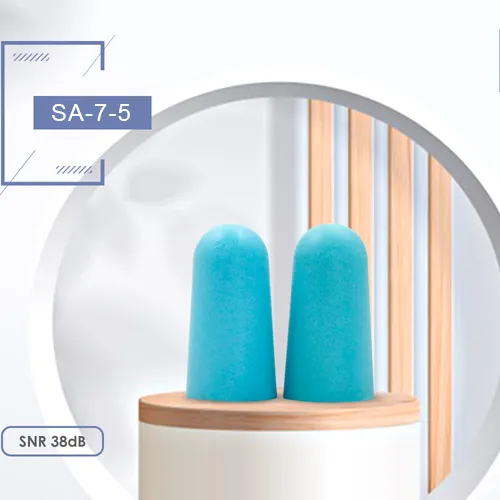
At EASTRAGON, we support this approach. You can begin with any product from our existing catalog — such as our popular foam ear plugs or ear muffs — with your branding, and then work with our engineering team to develop custom modifications or entirely new products as your business grows.
Cost, Certification, and Risk Implications
Choosing between OEM and ODM changes more than your product sourcing model. It also changes your cash flow, launch speed, certification workload, and inventory risk. OEM usually requires a larger upfront commitment because tooling, development, sample revisions, and test cycles must be completed before volume production starts. ODM reduces that risk by allowing you to launch a proven item much faster, often with a lower MOQ and shorter time to market.
For PPE and hearing protection buyers, certification review is especially important. A factory may already have a compliant base product, but your branded packaging, instructions, destination market, and labeling claims still need to be checked carefully. New buyers often assume that a supplier's existing certificate automatically covers every private label variation. In practice, documentation scope, model identification, and final product presentation still matter.
How This Applies to Hearing Protection Products
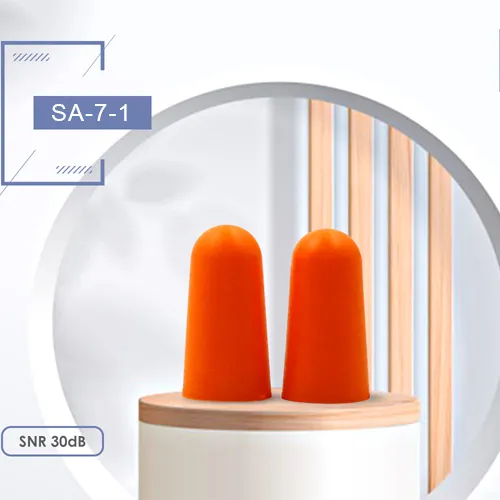
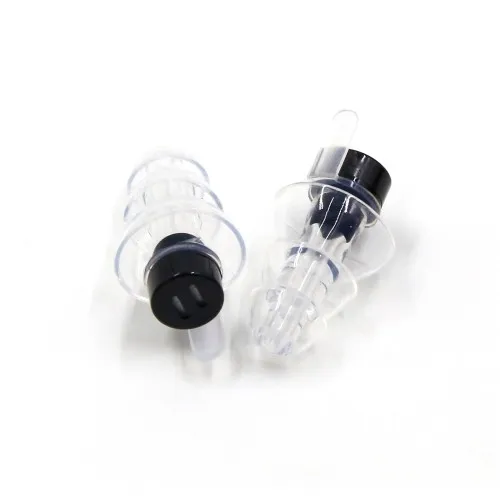
In hearing protection, ODM is often the best route for fast market entry. A standard product like the SA-7-1 Classical Bullet Shape PU Foam Ear Plugs can usually be launched under a private label much faster than a fully custom concept. If you want a more technical or differentiated offer, you might start from a specialty product such as the SA-2-7 Patented Acoustic Mesh Filtered Ear Plugs and customize packaging, color, and market positioning before moving toward deeper product customization.
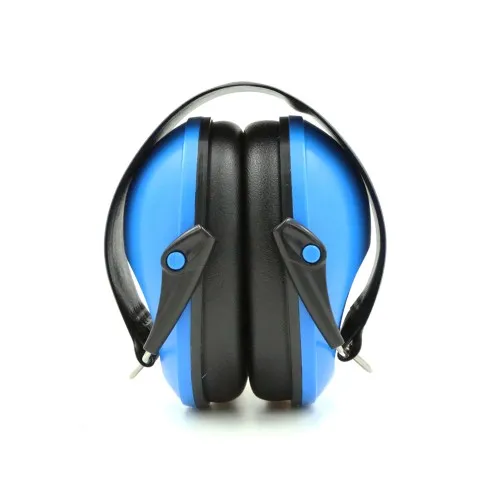
For higher-ticket products, buyers may choose a semi-custom path. An item such as the SA-8-5 Durable Soundproof Foldable Earmuffs can be sold quickly through ODM while the brand learns what channel, feature set, and accessory bundle customers respond to. Once the market is validated, the same buyer may move selected products into an OEM project for stronger differentiation.
Questions to Align Before You Sign a Supplier
- Who owns the tooling and design files? This should be written clearly into the contract.
- What exactly is included in customization? Logo, packaging, insert cards, barcodes, carton marks, and manuals should be defined in the quotation.
- What changes trigger a new lead time or a new certification review? This is essential for PPE categories.
- What sample stages are required? Plain sample, pre-production sample, packaging sample, and golden sample should not be confused.
- How are engineering changes handled after the first order? A capable partner should have a clear change-control process.
What to Look for in an OEM/ODM Partner
Not all manufacturers can serve as both OEM and ODM partners effectively. When evaluating potential suppliers for hearing protection products, consider these factors:
- In-house R&D capability: Can they modify designs, develop new molds, and solve engineering problems?
- Testing and certification: Do they have experience obtaining CE, ANSI, and other market-specific certifications?
- Production capacity: Can they scale from sample orders to high-volume production?
- Quality management: Do they operate under ISO 9001 or equivalent quality systems?
- Communication: Is there a dedicated English-speaking project manager for your account?
- IP protection: Will they sign NDAs and respect exclusivity agreements?
How EASTRAGON Supports OEM and ODM Buyers
As a manufacturer with over 11 years of experience producing hearing protection products, EASTRAGON offers both OEM and ODM services with several advantages. We operate our own factory in Jiangyin, China, producing over 200 million ear plugs annually. Our products carry CE EN352-2 and ANSI S3.19 certifications. We have an in-house engineering team for custom product development, and we offer low MOQs to help new brands enter the market.
Whether you are launching a new PPE brand, expanding an existing product line, or switching suppliers for better quality and pricing, we are ready to support your project from concept to delivery.
Frequently Asked Questions
Which is better for a new brand, OEM or ODM?
For most new brands, ODM is the more practical starting point because it lowers upfront investment and gets you to market faster. OEM becomes more attractive once you have proven demand and want stronger differentiation.
When should I choose OEM instead of ODM?
Choose OEM when you need a unique product structure, proprietary feature set, exclusive tooling, or stronger long-term brand control than packaging-only customization can provide.
Can I start with ODM and move to OEM later?
Yes. That is one of the most common strategies in PPE sourcing. Many buyers validate demand with ODM and then transition successful SKUs into OEM development.
Does private label always mean ODM?
No. Private label often uses ODM because the product already exists, but a private label brand can also launch a fully custom OEM product.
Who owns the mold in an OEM project?
That depends on your contract. Tooling ownership, storage, maintenance, and reuse rights should all be agreed in writing before development starts.
Do OEM projects always take longer than ODM projects?
Usually yes, because OEM includes design review, tooling, prototyping, testing, and approval steps that are much lighter or already completed in standard ODM projects.
How many reference products should I send a supplier when briefing a project?
Sending 2 to 4 reference products is usually enough. It helps the supplier understand what should stay standard, what should be customized, and whether your project fits OEM, ODM, or a hybrid path.
From a commercial standpoint, the best sourcing model is the one that matches your stage of growth. Early-stage brands usually need speed and lower risk, while mature brands usually need exclusivity and defensible product positioning. Thinking about OEM and ODM in that context makes the decision much easier.
Ready to discuss your OEM or ODM project? Contact our team for a free consultation. We respond within 24 hours and can ship samples within 3 business days.